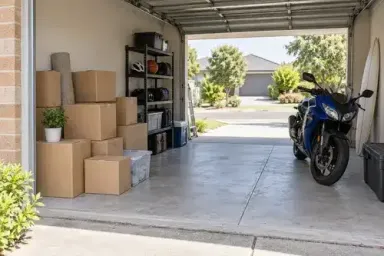

Property investors should compare renovation and rebuild decisions before demolition Melbourne becomes part of the plan. A knockdown rebuild can reset layout, compliance, energy performance, and maintenance risk, while renovation can preserve rental income and reduce upfront disruption. The right choice depends on yield, downtime, land value, defects, approvals, and tenant demand.
Start With Investment Purpose
An owner-occupier may choose the option that best suits their lifestyle. An investor needs a harder test. The project should improve rental return, reduce maintenance risk, support capital growth, or reposition the asset for a stronger tenant market.
Hot Property Management readers already think in maintenance budgets, vacancy risk, tenant satisfaction, and long-term value. Those same measures should guide the demolition decision.
A cosmetic renovation can lift rent quickly when the structure, services, floor plan, and compliance are sound. A knockdown rebuild may be stronger when the property has major defects, poor layout, drainage issues, asbestos, termite damage, or repeated repair costs.
Compare Total Downtime, Not Just Build Cost
Renovation can look cheaper because the quote is smaller. That does not mean it protects income better. A long renovation with staged defects, tenant disruption, and repeated trade visits can still create vacancy and management problems.
A knockdown rebuild usually means longer vacancy, demolition cost, new approvals, holding costs, finance costs, and no rent during construction. It may still be better if the finished property attracts stronger tenants and reduces maintenance for years.
Investors should calculate lost rent, interest, rates, insurance, land tax where applicable, temporary fencing, security, demolition, design, permits, build cost, contingency, and leasing time after completion.
Check Whether Renovation Solves The Real Problem
Renovation works when the existing asset has a useful structure and a layout that can serve the target tenant. It can improve kitchens, bathrooms, paint, flooring, lighting, storage, heating, cooling, landscaping, and street appeal.
It works less well when the building has poor orientation, small bedrooms, failing drainage, low ceilings, obsolete wiring, cracked slabs, bad access, widespread asbestos, structural movement, or a layout that modern renters reject.
Investors should separate cosmetic issues from asset issues. Cosmetic issues can be renovated. Asset issues may keep returning until the building is replaced.
When A Knockdown Rebuild Can Create More Value
A rebuild can unlock value when the land is stronger than the existing dwelling. This is common where an old house sits on a well-located block with poor layout, inefficient services, and high maintenance demand.
A new dwelling can improve bedroom count, storage, parking, insulation, heating, cooling, natural light, low-maintenance finishes, and outdoor usability. These features can improve tenant appeal and reduce vacancy.
The investor still needs planning discipline. Overbuilding for the suburb can hurt returns. The new home should match local tenant demand, not the owner's dream-home checklist.
● Use renovation when the structure is sound, and the layout suits the tenant market.
● Use rebuild when defects, compliance gaps, or layout limits hold back long-term return.
● Model vacancy, holding costs, finance, approvals, contingency, and leasing time.
● Check whether the finished product suits local rent levels and tenant demand.
Demolition Adds Risk That Must Be Priced
Demolition is not just a line item. It can include asbestos identification, service disconnection, permits, tree protection, waste separation, traffic management, neighbour communication, temporary fencing, and site security.
EPA Victoria's 2026 enforcement activity shows that residential building sites can face penalties when litter, concrete waste, wastewater, dust, sediment, and other hazards are not controlled. Investors should treat site management as part of project risk.
A clean demolition handover helps the builder start faster. The handover should confirm removed structures, capped services, retained trees, remaining slabs or footings, waste records, and any known hazards.
Think Like A Property Manager Before Choosing
Property managers see how tenants respond to layout, storage, heating, cooling, parking, noise, maintenance response, and outdoor usability. Their feedback can help investors decide whether renovation is enough.
Ask what tenants in the area are rejecting. If the issue is old paint, tired flooring, and weak lighting, renovation may solve it. If the issue is cramped rooms, bad thermal comfort, no storage, poor parking, or constant repairs, a rebuild may be more sensible.
Also ask what maintenance history shows. Repeated plumbing, roofing, drainage, electrical, pest, and mould issues can turn a cheap renovation into an expensive holding pattern.
Planning Notes For This Audience
For property investors, the demolition decision should be tested against the rental market, not personal taste. A rebuild only makes sense if the finished asset can justify the capital, downtime, and risk.
Ask the property manager what tenants in the suburb value most. Storage, parking, heating, cooling, outdoor space, energy efficiency, bedroom size, and low-maintenance finishes may matter more than premium design features.
Renovation should also be tested honestly. If the building keeps producing roof leaks, plumbing failures, mould, pest issues, and electrical problems, cosmetic upgrades may only delay a bigger capital decision.
The best investment file compares scenarios side by side. Include rent forecast, vacancy period, demolition cost, build cost, finance, approvals, contingency, depreciation advice, and exit value.
Records That Should Stay With The Project
A demolition project should leave a paper trail that helps the next trade, owner, adviser, or property manager understand what happened on site. Good records reduce arguments and make later decisions easier.
Keep permits, contractor details, asbestos reports, pest reports where relevant, service disconnection evidence, disposal receipts, recycling records, photos, and handover notes in one folder. Name each file clearly so it can be found months later.
The best photos show conditions before work, during major changes, and after clearance. Capture boundaries, retained trees, driveways, crossovers, slabs, service caps, drainage points, neighbouring structures, and any unexpected discoveries.
If the property will be sold, leased, rebuilt, or used for finance discussions, these records can support due diligence. They also help the next contractor price the job with fewer assumptions.
Budget And Timing Checks Before Approval
Before approving the work, compare the demolition quote against the full project outcome. A low removal price can still cost more later if it excludes permits, slabs, asbestos, pest treatment, service caps, concrete removal, traffic control, or final clean-up.
Timing should be checked the same way. The right start date depends on service disconnections, inspections, neighbour notices, bin availability, access protection, weather, and the next contractor's programme.
Add a contingency for discoveries inside walls, slabs, roofs, gardens, sheds, and buried services. Older Melbourne properties often contain undocumented changes, and those discoveries are cheaper to manage when the team has already allowed time and budget.
The final approval should name what success looks like at handover. That may be a cleared block, a retained driveway, capped services, recyclable material records, a safe pest status, asbestos clearance, or a foundation-ready surface.
If one of those outcomes is not written into the scope, assume it may not be included. Clear wording is cheaper than renegotiating after machinery, bins, inspectors, or installers are already booked.
Confirm the scope in writing before deposits, notices, or delivery dates are locked.
Share the written scope with every adviser and contractor who will rely on the cleared site.
Quick Pre-Start Checklist
Before the first contractor arrives, turn the project into a short checklist with a named owner for each task. The checklist should be reviewed at induction and updated when the work changes stage.
Keep one site contact responsible for updates, because small discoveries can affect access, neighbours, waste handling, services, approvals, equipment choice, health controls, and final handover. Record every change before the next crew starts work.
● Confirm the exact demolition scope, exclusions, and required end condition.
● Check permits, asbestos risk, service isolation, access limits, and neighbour impacts.
● Mark retained trees, services, drains, fences, structures, and no-go zones.
● Separate waste streams early and keep disposal, recycling, and clearance records together.
● Photograph key site conditions before, during, and after the work.
Frequently Asked Questions
Is knockdown rebuild better than renovation for investors?
It depends on land value, defects, rental demand, downtime, finance costs, and the likely rent after completion. Renovation is better when the existing asset is fundamentally sound.
What costs are often missed in knockdown rebuild planning?
Missed costs include lost rent, holding costs, permits, asbestos, service disconnection, demolition waste, temporary fencing, finance, contingency, and leasing time.
When should an investor renovate instead of rebuild?
Renovate when the structure, services, layout, and compliance are sound, and targeted upgrades can improve rent or tenant appeal without excessive vacancy.